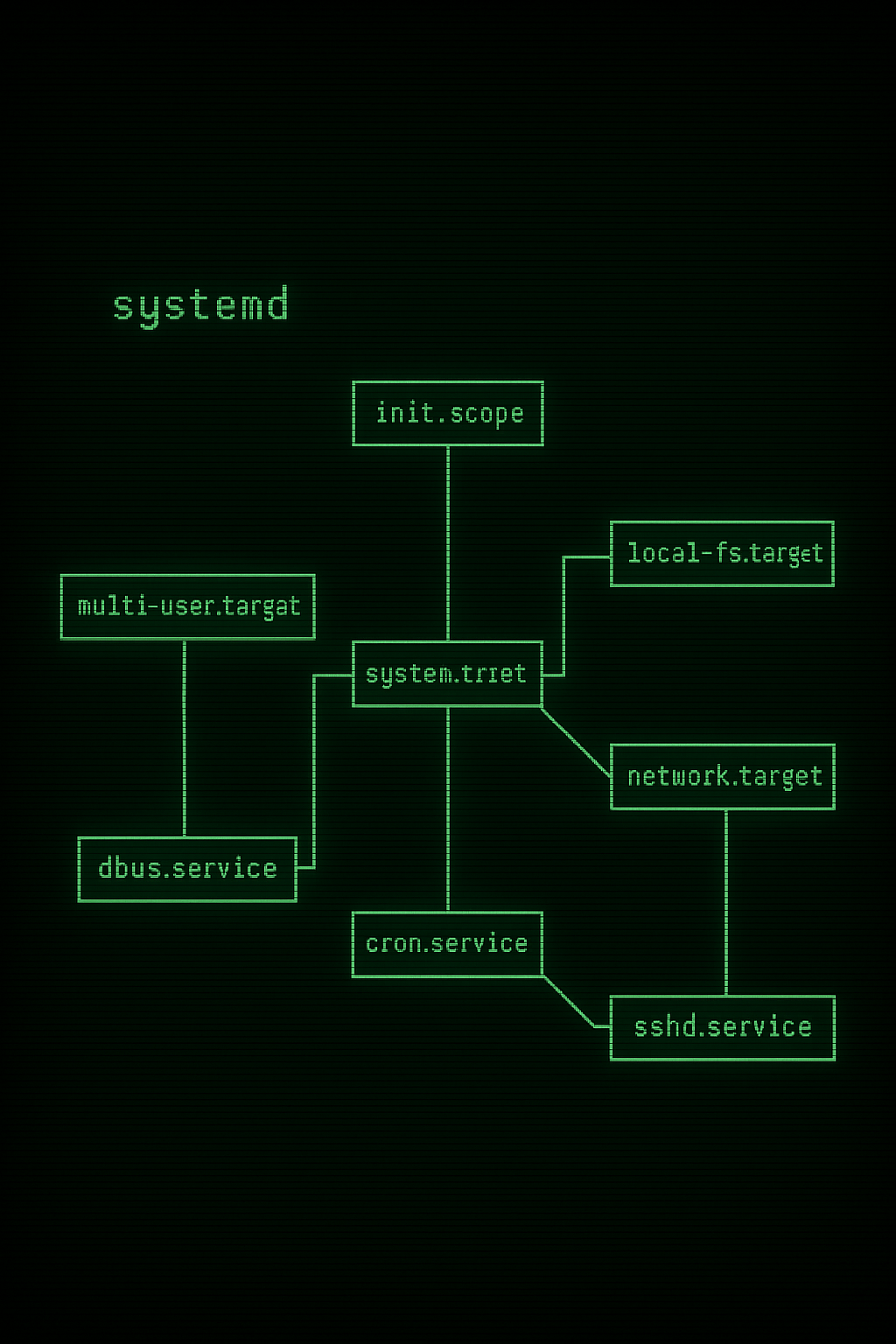
Unlocking the Mystery of systemd

Welcome to this week’s deep dive into one of the unsung heroes of the Linux world—systemd. If you’ve been dabbling in Linux or are just curious about what happens behind the scenes when you boot your system, systemd is a story worth knowing. In this post, we’ll explore what systemd is, why it matters, and maybe even clear up some of the myths surrounding it—all in an approachable, friendly way.
What Is systemd, Anyway?
Think of systemd as the maestro orchestrating your Linux system’s startup and service management. It’s the first process that runs when your machine powers on, and it keeps everything humming smoothly until you shut down. Traditionally, Linux systems used older init systems like SysVinit that handled service startup and background processes. systemd entered the scene to bring speed, efficiency, and modern features to the table.
At its core, systemd manages “units”—these are basically services, sockets, devices, mounts, and more. It cleverly figures out dependencies, starts services in parallel to speed up boot time, and keeps a tight eye on running processes. Need a service to restart automatically if it crashes? systemd handles that too.
Why Should You Care About systemd?
If you’re a casual user, systemd mostly works quietly in the background. But if you like to tinker or troubleshoot, understanding it unlocks a whole new level of control. Commands like systemctl, journalctl, and various unit files give you fine-grained control over what runs, when, and how.
Plus, systemd’s design is surprisingly elegant. For instance, it uses socket activation—starting services only when you actually need them—to save resources. It also centralizes logging with its journal system, making it easier to track down pesky bugs.
The Controversy and Community Vibes
No technology is without debate, and systemd is no exception. Some people argue it’s too complex or that it tries to do too much, which can feel like a one-size-fits-all approach to the Linux ecosystem. Yet, supporters praise it for modernizing Linux startup and improving system reliability.
Whichever camp you lean towards, systemd’s impact is undeniable—it’s part of the fabric of many major Linux distros today, from Fedora to Ubuntu.
Wrapping Up
From boot speed boosts to seamless service management, systemd quietly revolutionizes how Linux systems come to life and stay up. Whether you embrace it or view it skeptically, its influence is here to stay, and knowing it inside out helps you be a better Linux user or admin.
Thanks for stopping by—feel free to share your own systemd stories or questions. After all, this community thrives on curiosity and shared learning.